Il gioco dell’amore e del caso. Volevo ridere.

Il primo spettacolo interamente nato e prodotto dalla nuova Fondazione Teatro della Pergola, Il gioco dell’amore e del caso di Marivaux, ha debuttato ieri sera nel bellissimo teatro fiorentino.

Il cast artistico  di alto livello aveva creato molte aspettative e mi sono avviata con grande gioia nella “culla”  Teatro della Pergola. Voglio raccontare dello spettacolo per punti, iniziando dagli interpreti:

Paolo Briguglia volto noto de I Cento Passi di Marco Tullio Giordana, Baarìa di Giuseppe Tornatore e del più recente Basilicata coast to coast, di Rocco Papaleo.

Antonia Liskova protagonista della famosa serie Tutti pazzi per amore, al suo debutto assoluto in teatro.

Francesco Montanari già con Albertazzi e Salveti in teatro è il Libanese della serie tv Romanzo Criminale.

Fabrizia Sacchi dal teatro di Leo De Berardinis al cinema di Risi, Calopresti e Virzì e in televisione nelle serie Medicina Generale.

Questa è la presentazione, che ho letto dopo aver visto lo spettacolo, data dalla brochure del Teatro. Le conseguenze della scelta  di  questo cast erano evidenti.  Gli attori sono bravi ma televisivi, l’attore in teatro deve emozionare. Non c’è uno schermo da bucare con l’aiuto di riprese soggettive o inquadrature ravvicinate, l’attore deve far arrivare la voce e se è muto deve emozionare con il corpo.

Giuseppe Manfridi, traduzione e adattamento; Piero Maccarinelli, regia.

Mestiere e tecnica, tutto corretto. Ma fatta eccezione di un rapido accenno iniziale sulla violenza di genere che si consuma all’interno delle mura domestiche, nessuna deviazione, nessuna ispirazione, niente al caso. Anche qui scelte politicamente “coerenti”.

Gabriella Pescucci, costumi; Giacomo Costa, scene.

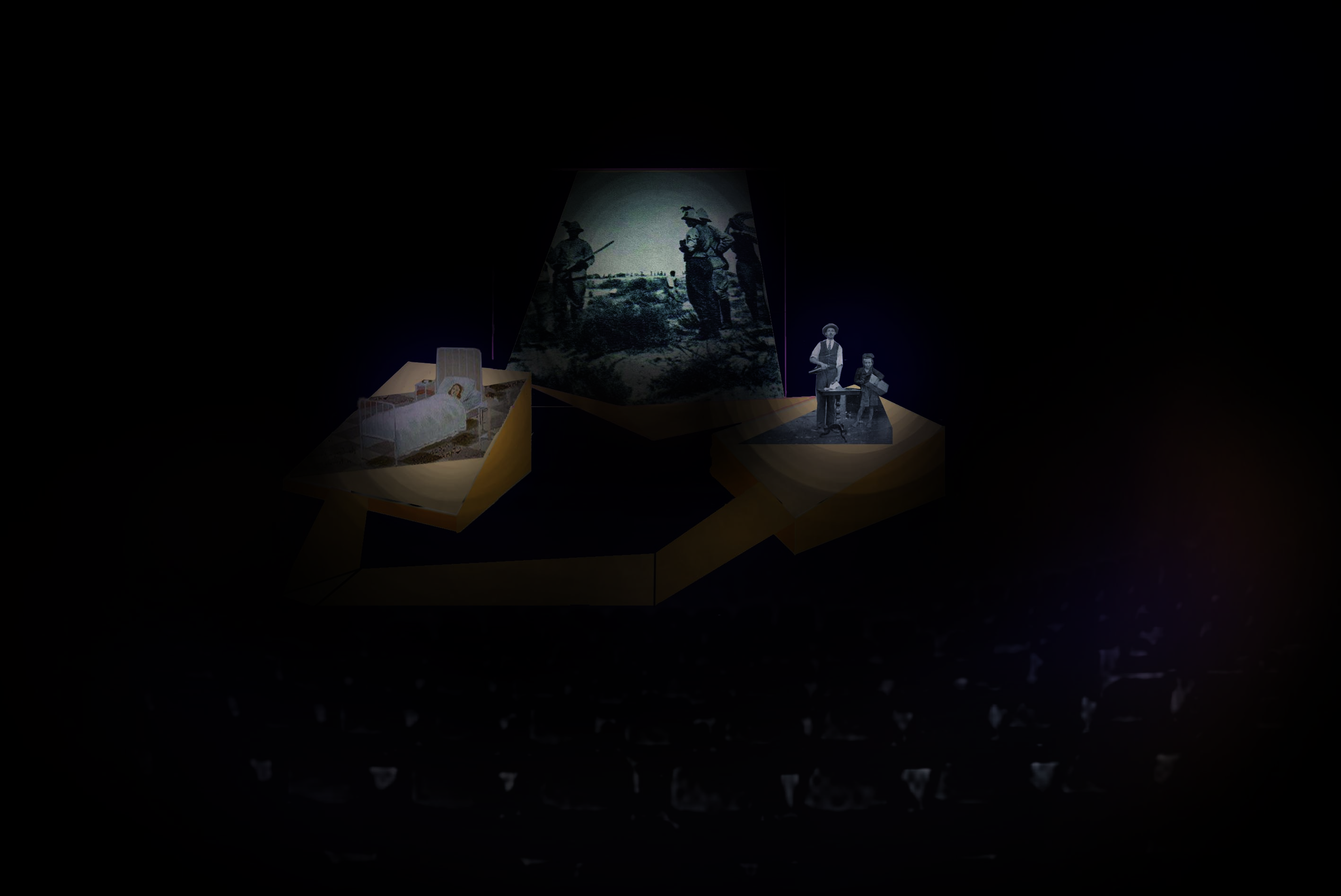
Qualcosa è arrivato, direi che un’ispirazione artistica c’era. Infatti lo spettacolo era questo, i costumi e il video/fondale, il Giardino di Boboli che cambia con il trascorrere della giornata e degli accadimenti è un elemento vitale dello spettacolo. Giacomo Costa per quanto si sia sforzato di mettersi al servizio della regia ha fagocitato lo spettacolo perché se c’è un’anima,  viene fuori.

Umile Vainieri, light designer.

Le luci erano quelle di un set  televisivo, sempre fredde e schiaccianti, sembrava lo studio di “Amici” della De Filippi, era voluto? in effetti seguendo un certo ragionamento sembrerebbe di si.  Evidentemente. Però una cosa proprio non tornava, gli attori quando entrano dalle porte hanno sempre il viso in ombra e questo è proprio strano.

Antonio di Pofi, musiche.

Mi sono piaciute.

Concludo con una preghiera per tutti coloro che si trovano ad avere la possibilità e la responsabilità di far arrivare il messaggio di quanto è importante per l’umanità la cultura e l’arte, chiedetevi se quello che fate vi emoziona e non preoccupatevi solo di compiacere.

da CasaCris questo è tutto

PS. http://www.corrierenazionale.it/spettacoli/teatro-e-concerti/62445-domande-e-risposte-sul-teatro-della-pergola


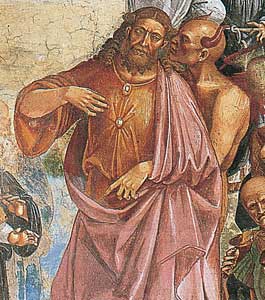
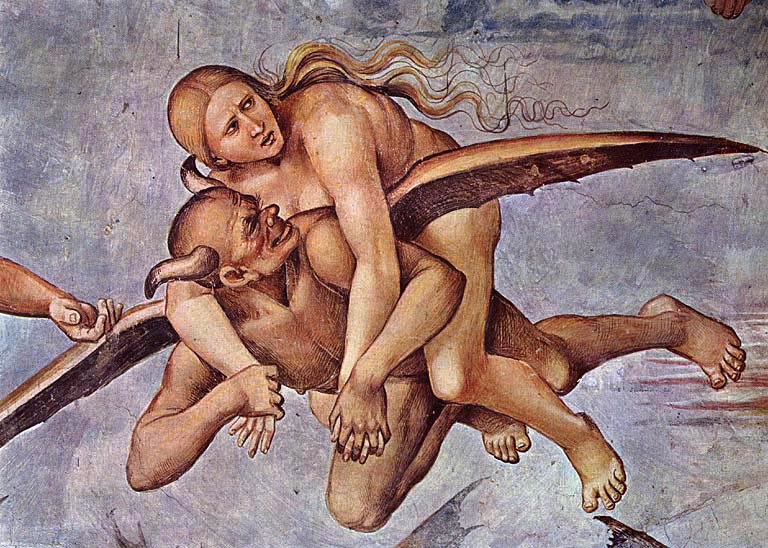
Signorelli…Lo Stupore di San Brizio

signorelli
signorelli

Oggi ho assistito alla prima di un esperimento magistralmente didattico.  Mi spiego, al Teatro Mancinelli di Orvieto un Visual Show raccontava con effetti visivi tridimensionali avvolgenti l’affresco della Cappella di San Birzio, a due passi dal teatro. Uno sguardo al bel Teatro e al suo sipario storico, poi le immagini in movimento sulle musiche  del “Mefistofele” di Boito, le animazioni si alternano dal fondale alla sala, gli ordini dei palchi spariscono e diventano demoni volanti e arcangeli giustizieri,  Signorelli, severo, ammonisce i peccatori e forse anche noi che assistiamo ignari dello sguardo divino che tutto e tutti coglie.   I morti riemergono dalla terra e ridono, felici della carne che rimpolpa le loro ossa. Difronte all’umanità di eletti e peccatori un pubblico di profeti ed evangelisti che guardano dall’alto dell’ordine celeste. Noi, il pubblico, siamo sul palco in mezzo ad un Giudizio Universale fatto di umane grida e di sguardi santi ma poco caritatevoli,  senza certezze sul posto che ci spetta cala il buio.

Perchè magistralmente didattico? perchè sono andata ad Orvieto con mio figlio di otto anni, quando siamo arrivati gli ho detto:- Ernst ora andiamo a vedere gli affreschi del Signorelli! Ernst, urlando mi ha risposto:- NOOOO! gli AFFRESCHI NOOOOO!! L’ho tranquillizzato dicendogli che era uno spettacolo e che avrebbe visto qualcosa di speciale.

Abbiamo visto il Visual Show e dopo è stato felice di andare al Duomo a vedere gli originali. Magistrale, no?

da CasaCris passo e chiudo

http://www.teatromancinelli.com/it/mancinelli_experience/visual_show.html

la complessità della natura

By Flo on 25 November 2011 in ArtsStudents with No Comments

By Sonia Brodi (University of Florence)

The zoological museum “La Specola” is the oldest science museum in Europe and is one of the six departments of the Natural Sciences Museum of Florence. It is still located in Palazzo Torrigiani (on via Romana 17, near Palazzo Pitti), the original seat of  the Imperial and Royal Museum of Physics and Natural History, founded in 1775 by the Grand Duke of Tuscany Pietro Leopoldo; the Museum was, just as it is today, open to the curious eyes of the public.
The name, La Specola, was derived from the construction of an octagonal astronomical observatory (specula in latin means observatory), which was commissioned by the Gran Duke and which is still present in the highest part of the building. In the entire complex we can find: the rich zoological and anatomical collection, the impressive Room of the Skeletons, the garden, the library of animal biology, the zoology laboratory, the Tribune of Galileo, and two temporary exhibits, one of which displays minerals from the Giazotto collection, and the other, which is curated by Cristina Conticelli, Stacy Hopkins, Filippo Buratti, and Giovanni Maffucci, and is on graphic design, drawings, and jewelry inspired by the world of insects. The Tribune of Galileo was constructed in honor of the scientist in 1841 in a Neoclassical style: harmonious, balanced and geometric. Walls, pendentives, vaults, and pavements are all completely covered in decoration, ranging from paintings, to marble, to chandeliers, to busts. In the interior, there is, additionally, a sculpture representing the standing figure of Galileo, carved by Aristodemo Costoli.
Clearly, the part of the visit that occupies the most time is that dedicated to the permanent collection on the second floor, which holds numerous specimens of animals from around the world, as well as anatomical reconstructions in wax. There are 34 exhibition rooms, and all are numbered: 24 for zoology and 10 for the wax models. Passing the ticket desk and the bookshop, you enter into a world, which is, at the same time, both silent and apparently connected to life. You receive the impression of being Phileas Fogg, as you travel from one country to another, from one habitat to another, from sea to land. Imagination and curiosity soar. The specimens are conserved in wood and glass cabinets, subdivided by species and each one possessing its own label. At the beginning, we find coral, crabs, starfish, and large shells. Additionally, in a little cabinet, there are some pieces from the Medicean collections of natural treasures, such as shells that  were either transformed into cameos, or that functioned as cups and saltcellars, for they boasted refined metal settings. Following this, there is a myriad of colorful butterflies and insects of every kind: particularly sensational are those that in order to camouflage themselves, they appear as leaves, bark, branches, and thorns! Furthermore, in an intriguing cabinet, there is a reproduction of a house, in which all of our probable, unexpected, unwanted, and minuscule “co-inhabitants” are identified.
From the VIII room, the specimens change in both type and size: we encounter large herbivores and carnivores. Lining up before our eyes are gazelles, otters, jaguars, dibatags, hyenas, zebras, manatees, reindeer, gorillas, kangaroos, armadillos, sloths, and many others. Particularly impressive are the largesse of a rhinoceros and of a walrus, and the majesty of a tiger and a lion, accompanied by a lioness and cubs. The realism obtained by the expression and the posture of certain animals is exciting and sometimes almost frightening. A famous object in the collection, related to the city of Florence, is the hippopotamus of room X, which is traditionally believed to have lived in the menagerie of the Boboli Gardens around the end of the XVII century: one can clearly see the mark left by the rope that held it.

In room XVI, the numerous specimens of birds, from those most known and familiar, to those lesser known such as pelicans, ostriches, emus, griffins, a bearded vulture, etc. We find also eggs, nests, and an interactive game that allows you to listen to and identify various bird songs. Other animals that impress me, and that one does not meet with every day, were the  crocodiles, caymans, two giant tortoises from the Galapagos Islands that sit back to back in the center of the room, and the various specimens of sharks, terrifying even though they are taxidermied!

The remaining rooms contain drawings, plaster casts, and the wax anatomical models created between the end of the VIII century and  the beginning of the XIX century. One can not wander through these rooms without stupor and without a minimum of repulsion, especially for the most impressionable ones. They are represented accurately in regards to the muscles, nerves, organs, and bones, and this is not only true for the human models, but also for the various studies of animals. More over, one room is completely dedicated to maternity.

Now, however, I would like to talk about the not to be missed exhibit of minerals on the first floor, showcasing the Giazotto collection, and that has been extended until June 30, 2012. there are 500 specimens from mines from all over the world: South Africa, Brazil, Afghanistan, China, etc. In a sort of anteroom, we are welcomed by an enormous amethyst originating from Bolivia, and by an introduction to the exhibit. As soon as you move the heavy curtain aside, you seem to enter into a Wunderkammer, surrounded by a wonder of diverse colors that jump out from the black background. The lights and the reflections of the crystals make the vision even more intriguing and enchanting; by looking at the mirrors or by concentrating your sight on one of the minerals, you meet with a kaleidoscopic vision. In the next room, there are two films that illustrate the extraction of the minerals, which is the expensive and difficult work that is behind the objects that we can comfortably see in a museum. it is incredible to admire the perfection and the geometry of nature that is apparent in this involved display of rubies, quartz, emeralds, topazes, and sapphires. Any image or photograph cannot perfectly render the colors and the magic of this exhibit. I strongly recommend this museum for the richness and the diversity  of the objects displayed; in addition, I would like to emphasize that students from the University of Florence receive free entry!

For more information, see the museum’s website: http://www.msn.unifi.it/mdswitch.html

MA perché TRAINSPOTTING?


http://www.youtube.com/watch?v=ZfWWYr12vXY

Questo è un appello agli autori della prima edizione del “World Bach-Fest” – Da Facebook a Facebach a Firenze, qualche notte fa dopo una bella pizza da Semolina sono andata a finire al Cinema Teatro Odeon luogo di una parte della maratona dedicata a J.S.Bach, fin qui tutto bene. Il programma prevedeva ore di corti a lui dedicati, la proiezione del Vangelo secondo Matteo di Pasolini, a seguire Chailly in una esecuzione, a seguire variazioni eseguite da Glenn Gould, POI alle ore 4.10 del mattino TRAINSPOTTING.

Ecco non ci dormo la notte! perché perché….

da casaCris

#FreeRossella

Oggi voglio parlare di lei. Anche se non l’ho mai conosciuta, non l’ho mai intervistata, non ho mai preparato un servizio televisivo su di lei. Forse proprio per questo. Di Valeria Collevecchio

Rossella
di Valeria Collevecchio

Oggi  è il suo “bloggin day” e noi donne della cronaca del tg3 aderiamo convinte, insieme a tutti gli altri, anche con il nostro blog.

Si chiama Rossella, ha ventisette anni, fa la cooperante. E’ stata rapita in Algeria il 22 ottobre 2011, e da allora poco e niente si sa del suo destino. La sua famiglia ha aperto per lei e per la sua liberazione un blog con queste parole:

“In molti abbiamo vacillato di impotenza. Ci siamo sentiti infinitamente soli di fronte a tanto assurdo, svuotati da tanta assenza improvvisa. Così ci siamo chiusi in un lungo silenzio. Ma quello che noi credevamo un silenzio si è rivelato essere in realtà un coro di voci giunte da ogni dove. Un coro di solidarietà e di affetto che, dalla notte tra il 22 e il 23 ottobre, diventa sempre più accorato, sempre più grande e sincero. Senza addentrarsi in considerazioni ed analisi di ordine politico o religioso, lasciando quindi che siano gli esperti ad occuparsene in altre sedi più appropriate, questo blog vorrebbe solamente essere il punto di incontro fra tutte queste voci. Raccogliendo e condividendo in un unico spazio libero e aperto a tutti le numerose testimonianze per l’immediata liberazione di Rossella Urru.
Fausto, Mauro, Graziano e Marisa

Mi sono chiesta chi sia questa ragazza, quali siano i suoi sogni, i suoi desideri. Ho letto quello che trovavo a proposito di lei: lettere dei suoi amici , articoli sulla sua attività, commenti vari. Ma le sue immagini mi hanno presentato Rossella, mi hanno comunicato qualcosa in più su di lei. Immagini che non hanno bisogno di commenti.

Questo fa Rossella, a questo ha dedicato la sua vita, a queste terre, a queste persone, a queste cause. Dimenticate. Come lei, i suoi compagni, il suo rapimento, rischiano di essere dimenticati da tutti noi.

Già troppo tempo è passato. Rossella e gli altri devono tornare a casa…subito.

Giuseppe Sabatini

Un viaggio nel mondo del ciclismo del tempo di Coppi e Bartali, questo è un nuovo progetto al quale sto lavorando, primi studi…prime idee…

Familie Floz con Infinita

Sarebbe da vedere, al Teatro Verdi di Firenze, dal 2 al 4 marzo…si si andrò a fare i biglietti!

“Duel-Opus2” al Teatro di Rifredi

Bravi a portarli a Firenze! bravi! bravi!

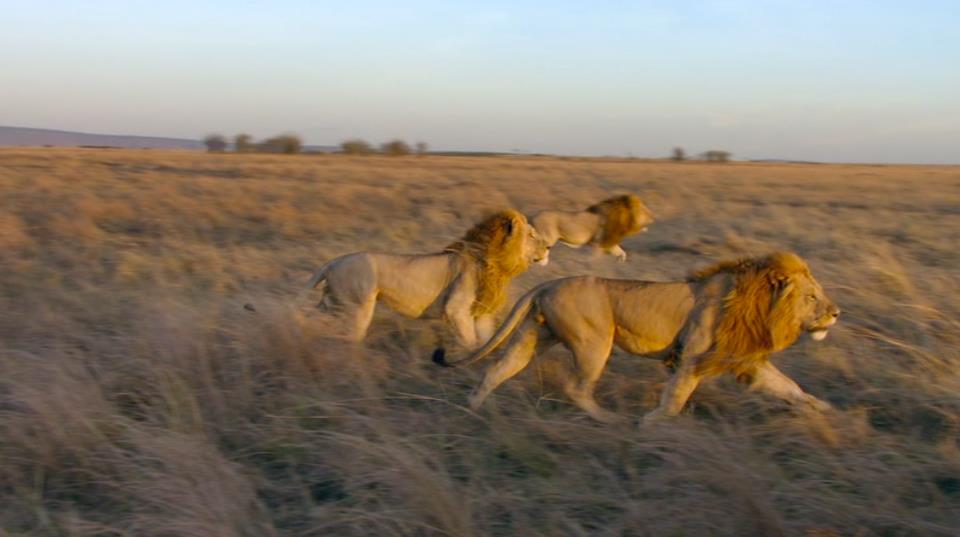
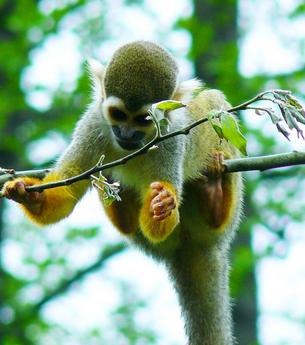
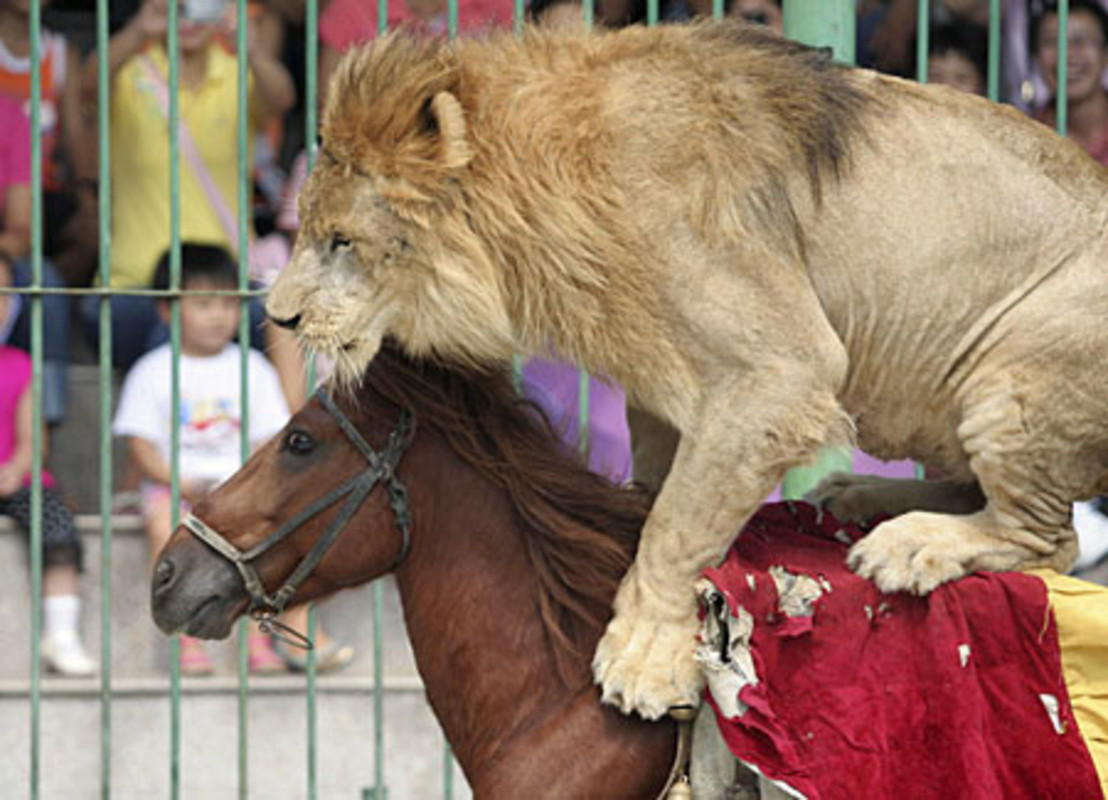
2.Animalità. Appunti (2) un test

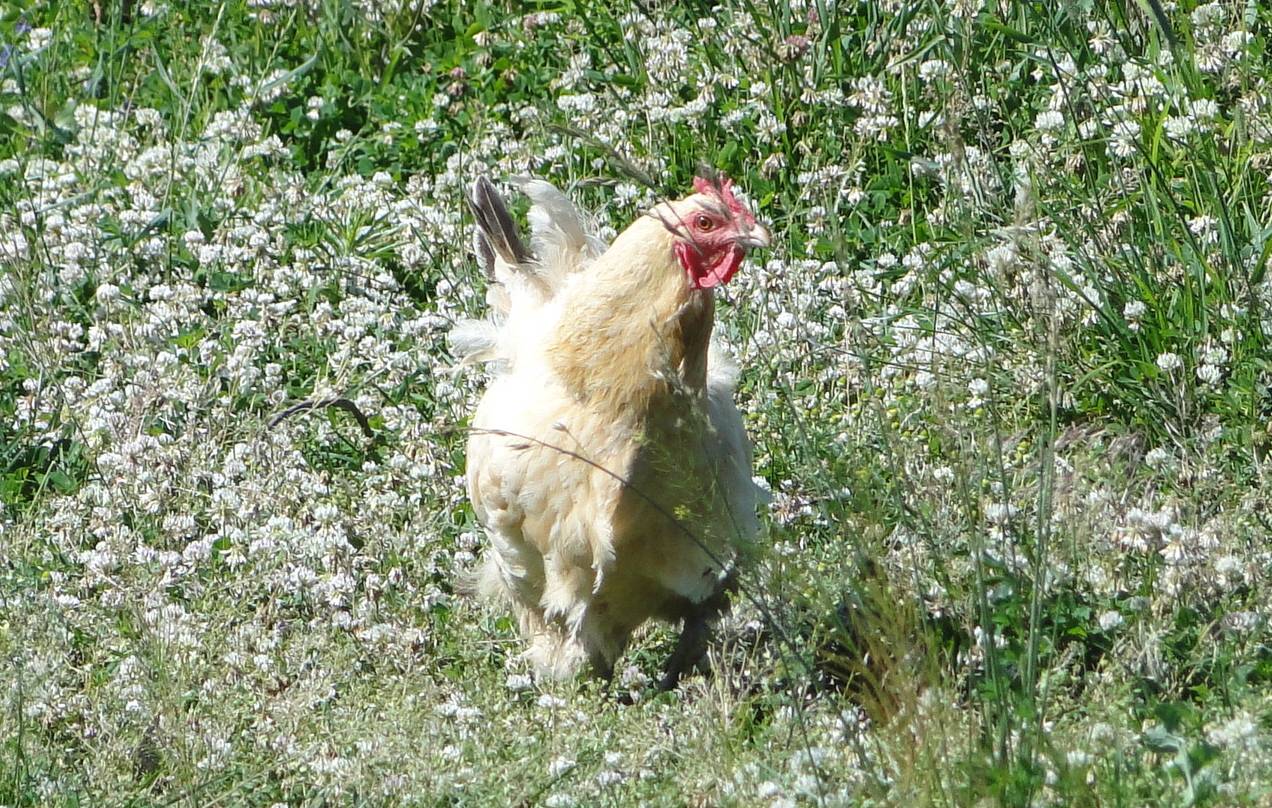
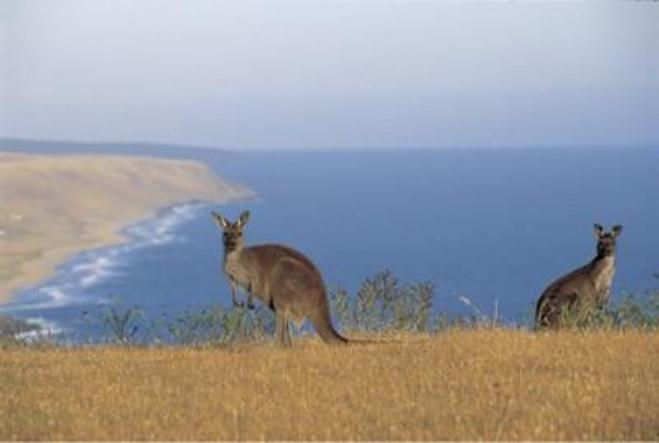
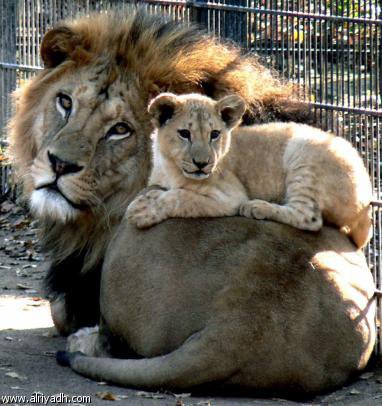
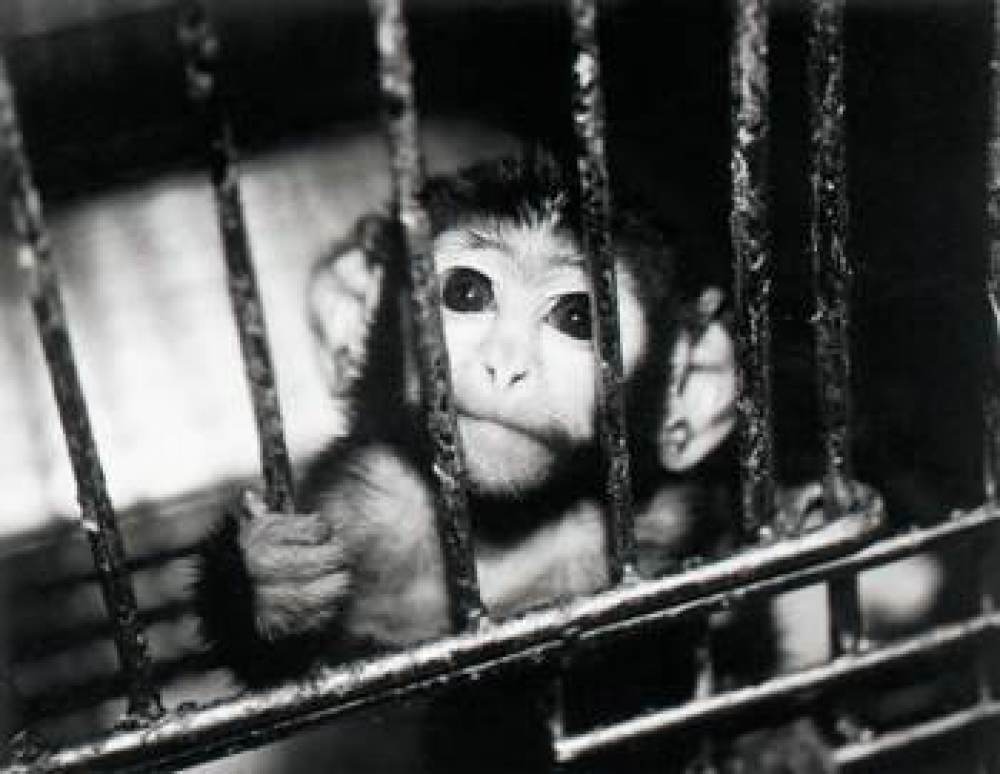
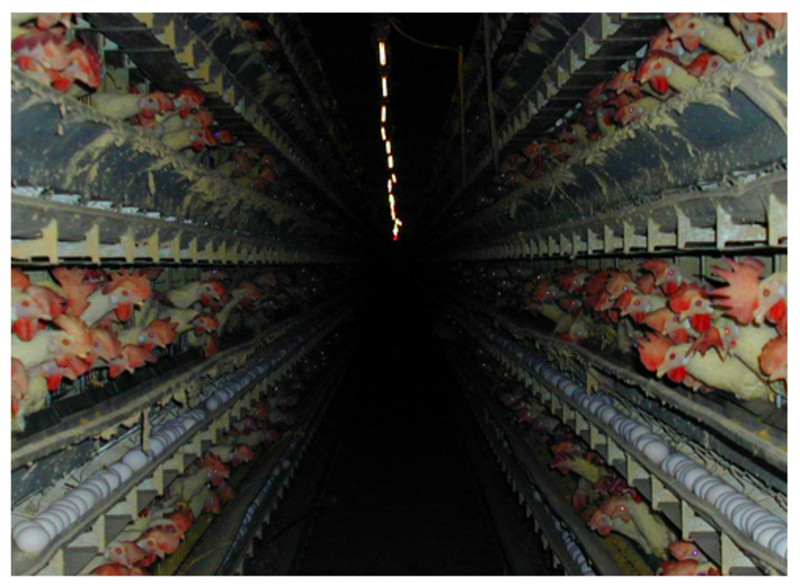
Guarda le prime cinque immagini, soffermati, inspira e immaginati di essere li dove sono loro, immaginati di essere loro…

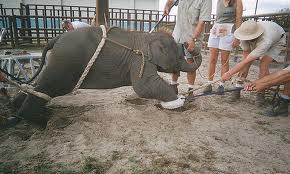
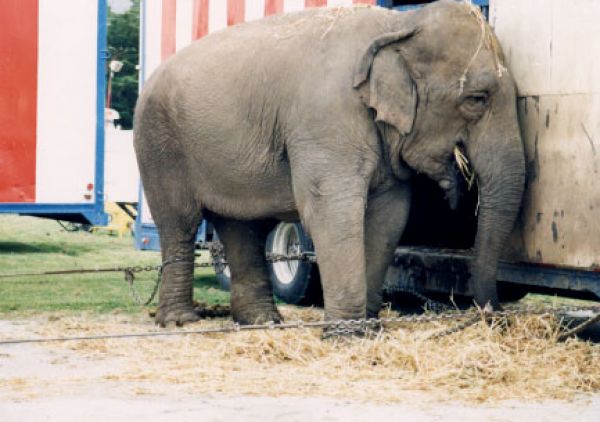
bene, adesso guarda le prossime immagini, con calma, inspira e immagina di essere li dove sono loro e prova a sentire quello che sentono loro…

ce l’hai fatta a sentire quello che prova un animale in certe condizioni? se ci fosse un essere umano proveresti le stesse cose?